Home Blog Page 2

Brown Spotting During Pregnancy: What Causes It and Should You Be Concerned?

0

Experiencing any form of bleeding during pregnancy can bring an immediate wave of anxiety. For expectant mothers, seeing brown spotting is a common concern that often leads to a rush of questions. While it is natural to feel worried, understanding what is happening inside your body can offer immense relief.

As one of the best gynecologist hospitals in Coimbatore, we often guide mothers through these exact moments of uncertainty. Brown spotting is frequently harmless, though it is always wise to know when to seek medical advice. Let us explore why this happens and what it means for you and your baby.

Understanding the Color of Spotting

When you notice brown discharge, it usually means the blood has taken a little longer to exit your body. As blood ages inside the uterus or vagina, it oxidizes and turns from bright red to a brown or pinkish shade. This delayed exit is quite common and does not automatically signal a severe problem.

During the first trimester, implantation bleeding is a frequent cause of light brown spotting. This happens when the newly formed embryo carefully attaches itself to the uterine lining. As a leading women’s hospital Coimbatore, our specialists often reassure patients that this brief spotting is a normal part of early fetal development.

Another highly benign cause is an increase in cervical sensitivity. Pregnancy naturally increases blood flow to your cervix, making the tissue far more sensitive than usual. Simple activities like a routine pelvic exam or intercourse can easily trigger minor irritation and lead to light, brief spotting.

In the final weeks of pregnancy, brown spotting can actually be a positive sign that labor is approaching. Losing your mucus plug, often referred to as the bloody show, can present as a pink or brown-tinged discharge. This is simply your body gracefully preparing to bring your baby into the world.

Recognizing the Warning Signs

While many cases are harmless, it is crucial to recognize when your body needs focused medical attention. Trusting your maternal instincts is an essential part of motherhood and protecting your growing family. If you ever feel uncertain, consulting the best obstetrician & gynecologist in Coimbatore can provide the exact clarity and care you need.

You should seek immediate guidance if the spotting suddenly turns into bright red blood. Heavy bleeding that quickly soaks a pad, or bleeding accompanied by severe abdominal cramping, are warning signs that need prompt evaluation. These symptoms could indicate early complications like a miscarriage or an ectopic pregnancy.

Other significant warning signs include dizziness, fainting, shoulder pain, or a sudden fever. Infections or placental issues can also cause unexpected bleeding later in the pregnancy. If you experience a foul odor or pass tissue along with the blood, it is vital to contact your healthcare team right away.

Steps to Take If You Notice Spotting

The most important first step is to stay calm and monitor the situation closely at home. Following a simple routine can help you gather the right information for your doctor. Here are the steps to take if you notice any unusual spotting:

  • Use a panty liner instead of a tampon so you can clearly observe the discharge.
  • Keep track of the exact color, the amount of blood, and how long the spotting lasts.
  • Note any additional symptoms like abdominal pain, shoulder pain, dizziness, or fever.
  • Rest and avoid heavy physical activity or intercourse until a doctor evaluates you.
  • Contact your medical team promptly to share these details and schedule an examination.

Reach out to your doctor and share these important details openly during your consultation. Comprehensive women’s healthcare services ensure that every symptom is carefully evaluated for your utmost safety. Your doctor might ask about recent physical activities, any pain you feel, or subtle changes in your overall wellbeing.

If you are ready to take the next step toward parenthood or need expert guidance on your fertility journey, the team at Rao Hospital is here for you. With over 70 years of compassionate care and more than 30,000 successful fertility treatments, you are in trusted hands. Call us at +91 96299 19191 or visit www.raohospital.com to schedule your consultation today.

The Advancements and Benefits of Multi-Port Robotic Surgery System Technology

0

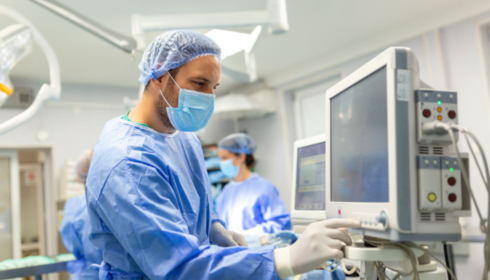
Modern healthcare continues to evolve through innovations that improve surgical precision, patient safety, and recovery outcomes. Among the most advanced developments in minimally invasive healthcare is the surgical energy product portfolio. These sophisticated surgical platforms allow surgeons to perform complex procedures using robotic technology, advanced imaging, and highly controlled instrument movement through multiple small incisions.

Robotic surgery has transformed operating rooms by providing greater precision and flexibility compared to many traditional surgical methods. Multi port robotic systems have become especially important because they support a wide range of procedures across different medical specialties while helping surgeons maintain enhanced control during delicate operations.

As hospitals continue investing in minimally invasive healthcare technologies, robotic systems are becoming central to the future of surgical innovation worldwide.

Understanding Multi Port Robotic Surgery Technology

A multi port robotic surgery system is a robotic assisted surgical platform that uses several small entry points, known as ports, to insert surgical instruments and imaging equipment into the body during an operation.

The system typically includes robotic arms, specialized surgical tools, and a high definition three dimensional imaging camera. Each robotic arm operates through a separate port, allowing surgeons to control multiple instruments simultaneously during the procedure.

The surgeon operates the robotic system from a dedicated console where hand controls and foot pedals guide the movement of the robotic instruments. The robotic system does not function independently because every action remains under the surgeon’s direct control.

Using multiple ports provides surgeons with improved access to different anatomical structures and allows greater flexibility during complex surgical procedures.

Benefits of Multi Port Robotic Surgery

One of the most significant advantages of robotic assisted surgery is enhanced surgical precision. Robotic instruments can move with a high level of stability and flexibility, allowing surgeons to perform delicate procedures more accurately.

Patients often experience reduced pain and faster recovery because robotic surgery generally involves smaller incisions than traditional open surgery. Smaller incisions may also reduce blood loss, scarring, and infection risk.

Multi port systems provide surgeons with excellent visualization during surgery. High definition three dimensional imaging offers magnified views of internal anatomy that improve procedural accuracy and decision making.

The use of multiple robotic arms also supports better instrument control during complex procedures. Surgeons can manipulate tissue, hold instruments, and perform detailed surgical movements with greater efficiency.

Shorter hospital stays and quicker return to normal activities are additional benefits commonly associated with minimally invasive robotic procedures.

Role in Minimally Invasive Surgery

Minimally invasive surgery has become increasingly popular because it offers important advantages for both patients and healthcare providers. Procedures performed through small incisions often result in faster healing and improved patient comfort.

Multi port robotic systems play a major role in advancing minimally invasive surgical techniques. The multiple access points allow surgeons to approach complex anatomical areas from different angles while maintaining stable visualization throughout the procedure.

Compared to traditional laparoscopic surgery, robotic systems provide greater instrument dexterity and improved ergonomics for surgeons. Robotic instruments can rotate and move more freely inside the body, helping surgeons perform intricate tasks within confined spaces.

These advantages make robotic technology especially valuable for procedures requiring detailed tissue dissection and precise surgical control.

Applications Across Medical Specialties

Multi port robotic surgery systems are used in many different areas of medicine because of their versatility and precision. In urology, robotic procedures are commonly performed for prostate and kidney surgeries where accurate tissue handling is critical.

Gynecological surgeries such as hysterectomies and endometriosis treatment also benefit from robotic assisted techniques. Surgeons can perform minimally invasive pelvic procedures with improved visibility and precision.

General surgery applications include colorectal procedures, hernia repair, bariatric surgery, and gastrointestinal operations. Thoracic surgeons use robotic systems during lung and chest surgeries that require delicate maneuvering around sensitive structures.

Cardiovascular surgery has also adopted robotic technology for selected minimally invasive heart procedures. As robotic systems continue advancing, additional specialties are expected to integrate these technologies into routine surgical care.

Technological Innovations Driving Growth

Medical technology companies continue investing heavily in robotic surgery research and development. Modern robotic systems now include advanced imaging capabilities, enhanced instrument articulation, and improved digital controls.

Artificial intelligence and machine learning are expected to influence future robotic platforms by assisting with surgical planning and procedural guidance. Some systems may eventually provide real time data analysis and tissue recognition capabilities during operations.

Enhanced connectivity and digital integration are also becoming more important in modern operating rooms. Robotic systems may support procedure recording, performance analytics, and surgical education through integrated software platforms.

Manufacturers are additionally working on smaller and more efficient robotic systems that may improve accessibility and reduce operational complexity for healthcare providers.

Training and Operational Considerations

Although robotic surgery offers many clinical advantages, specialized training is essential for safe and effective use. Surgeons must learn advanced robotic techniques and become familiar with system controls, instrument handling, and procedural workflows.

Hospitals often provide simulation based education and supervised training programs to help surgeons develop robotic surgery skills. Ongoing professional education supports safe adoption of new technologies and surgical methods.

Operating room staff must also understand robotic system setup, instrument management, and equipment troubleshooting. Team coordination plays an important role in maintaining efficiency during robotic procedures.

Regular equipment maintenance and system inspection are equally important for ensuring consistent performance and patient safety.

Challenges Facing Robotic Surgery Systems

Despite their many benefits, robotic systems also present certain challenges. One of the most significant factors is cost. Purchasing, maintaining, and upgrading robotic surgical platforms can require major financial investment for hospitals.

Training requirements and infrastructure needs may also limit adoption in some healthcare settings. Operating rooms must often be specially configured to accommodate robotic equipment and digital integration systems.

Procedure costs can initially be higher compared to conventional surgery due to equipment expenses and operating requirements. However, many healthcare providers continue investing in robotic systems because of their long term clinical and operational advantages.

Future Outlook for Robotic Surgical Platforms

The future of surgery will likely involve even greater integration of robotics, artificial intelligence, imaging technologies, and digital healthcare systems. Smart operating rooms may combine these innovations into highly connected surgical environments that improve efficiency and patient outcomes.

Robotic systems are expected to become more advanced, user friendly, and accessible as technology continues evolving. Future platforms may offer improved automation support, enhanced data analytics, and expanded minimally invasive capabilities.

As healthcare systems worldwide continue modernizing, multi-port robotic surgery system technology will remain a major force in shaping the future of minimally invasive surgery and advanced patient care.

Questions Intended Parents Should Ask Before Starting Surrogacy

0

Why Asking the Right Questions Matters

Starting a surrogacy journey is a significant step for any individual or couple. For many intended parents, it comes after years of dealing with infertility, uncertainty, and emotional stress. Because international surrogacy involves multiple layers; medical, legal, and logistical; having clarity from the beginning can make a real difference.

Asking the right questions early helps intended parents avoid confusion later. It also allows them to evaluate options more carefully and move forward with confidence rather than guesswork.

What Are the Legal Requirements?

Understanding international surrogacy law should be the first priority. Laws vary widely across countries, and these differences can directly affect parental rights and responsibilities.

Intended parents should ask whether they will be legally recognized as parents at birth or if additional steps, such as court orders or adoption, will be required. They should also clarify what documents are needed after the child is born and how long the legal process typically takes. These details may seem technical, but they shape the entire journey.

How Is the Surrogate Mother Selected?

The process of selecting a surrogate mother is another area that requires attention. Intended parents should ask how candidates are screened and what criteria are used.

Most reputable programs review medical history, past pregnancies, and overall health. They may also include psychological assessments to ensure the surrogate is emotionally prepared. A strong screening process increases safety and builds trust between all parties involved.

When Is an Egg Donor Needed?

In some cases, intended parents may need an egg donor. This usually depends on age, medical conditions, or other factors related to infertility.

It is important to ask how donors are selected, what screening processes are followed, and whether donor profiles are available for review. Understanding this step helps intended parents feel more prepared and involved in decision-making.

What Does the Medical Process Look Like?

The medical side of fertility care should be clearly explained. Intended parents should ask about IVF procedures, embryo transfer, and how the pregnancy will be monitored.

They should also understand how clinics handle complications and what kind of support is available during each stage. Reliable medical systems bring consistency and improve the chances of a successful outcome.

What Role Does the Agency Play?

A professional international surrogacy agency can simplify a complex process. Agencies often coordinate communication, manage timelines, and guide intended parents through legal and medical steps.

It is important to understand how often updates are shared, who will be the main point of contact, and what services are included. This clarity helps reduce stress and keeps everything organized.

So, it’s established that asking the right questions is not just about gathering information; it is about building confidence. A well-informed approach allows intended parents to move forward with clarity and realistic expectations and agencies such as KinPath helps you in fulfilling those expectations of yours.

How DR Imaging is Transforming Modern Radiology and Mobile Diagnostics

0

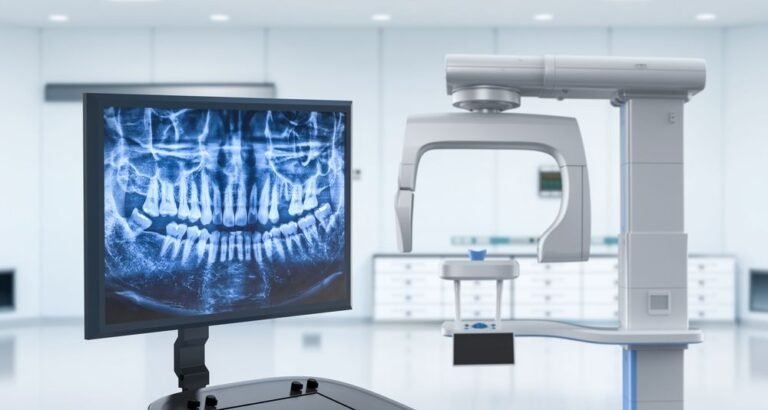
Digital technology is changing healthcare in many ways, and one of the biggest shifts is in imaging. DR imaging, also known as Digital Radiography, has become an essential part of modern diagnosis. It helps doctors get clear images quickly and improves patient care. From hospitals to remote clinics, DR radiology is now widely used for faster and more accurate results.

What is DR Imaging?

DR imaging is a system that captures X-ray images digitally instead of using traditional film. The images are available almost instantly on a computer screen. This reduces waiting time and allows doctors to make faster decisions.

Unlike older systems, DR imaging offers better image quality and lower radiation exposure. It also eliminates the need for chemical processing, making it more environmentally friendly and cost-effective over time.

Benefits of DR Radiology in Healthcare

DR radiology has improved the way medical professionals diagnose and treat patients. One major benefit is speed. Doctors can view images within seconds, which is very useful in emergencies.

Another key advantage is accuracy. High-resolution images help detect even small issues that might be missed with traditional methods. This leads to better treatment planning and improved patient outcomes.

DR radiology also allows easy storage and sharing of images. Hospitals can maintain digital records and share them with specialists across locations. This is especially useful in complex cases that require multiple opinions.

The Rise of DR Mobile Systems

DR mobile systems are portable imaging devices that can be moved easily within a hospital or even outside it. These systems are very useful in situations where patients cannot be moved, such as in intensive care units or emergency wards.

DR mobile units are also helpful in rural and remote areas where access to advanced healthcare is limited. Doctors can perform imaging at the patient’s location, saving time and effort.

The flexibility of DR mobile technology makes it a valuable tool in modern healthcare. It ensures that imaging services are available wherever they are needed.

How Technology is Improving DR Imaging

Modern DR imaging systems are designed with advanced features that improve efficiency. Many systems now use artificial intelligence to enhance image quality and assist in diagnosis. Automated workflows also reduce the workload on technicians.

User-friendly interfaces make it easier for healthcare staff to operate the equipment. This improves productivity and reduces the chances of errors.

As technology continues to evolve, DR radiology will become even more advanced, offering faster and more precise results.

About AGFA

AGFA is a trusted name in the field of medical imaging solutions. The company offers advanced DR imaging systems designed to improve efficiency and patient care. With a strong focus on innovation, AGFA provides reliable DR mobile and DR radiology solutions that meet the needs of modern healthcare facilities. Their technology supports faster workflows, high-quality imaging, and better diagnostic accuracy. AGFA continues to play an important role in shaping the future of digital radiography across the world.

How Compression Technology Helps in Pain Management

0

Pain, whether occasional or chronic, often stems from inflammation, poor circulation, or joint instability. It can build up gradually through daily strain or appear suddenly due to injury. While medication and therapy certainly play an important role in recovery, one of the most overlooked yet highly effective solutions is compression technology. Widely used across orthopaedic supports, compression-based products are designed to improve blood flow, reduce swelling, and provide targeted support to affected areas, making them a practical addition to everyday pain management.

Understanding Compression Technology

Compression works by applying controlled, consistent pressure to specific parts of the body. This gentle pressure helps improve circulation, allowing oxygen-rich blood to reach muscles and joints more efficiently. As circulation improves, the delivery of nutrients increases while waste products like lactic acid are removed more effectively. As a result, inflammation is reduced, and the body’s natural healing process becomes more efficient.

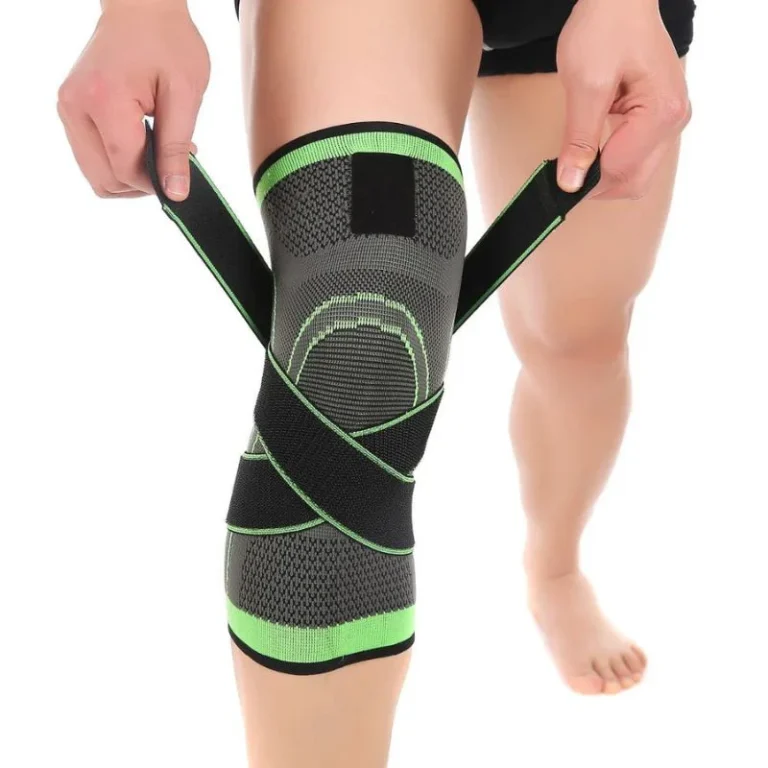
From knee support and knee braces to lumbar belts and diabetic socks, compression is a core feature that enhances both comfort and recovery. It’s not just about restricting movement; it’s about guiding the body toward better performance and resilience under stress.

How Compression Reduces Pain

One of the primary benefits of compression is its ability to minimize swelling. When tissues are inflamed, fluid tends to accumulate in the affected area, leading to stiffness, discomfort, and restricted movement. Compression helps regulate this fluid buildup by promoting proper circulation, which in turn reduces pressure on nerves and surrounding tissues.

Additionally, compression stabilizes joints and muscles, providing a sense of support that can prevent further strain. For individuals dealing with knee pain, using knee braces can limit unnecessary or harmful movement while maintaining proper alignment. This stability significantly reduces strain during daily activities such as walking, climbing stairs, or standing for extended periods.

Improving Circulation for Faster Recovery

Better blood flow directly contributes to faster recovery. Compression products, especially compression socks for diabetes, are specifically designed to enhance circulation improvement in the lower limbs. This is particularly beneficial for individuals who experience numbness, swelling, or fatigue in their legs after long hours of inactivity or standing.

For those managing diabetes, maintaining proper circulation is essential to prevent complications related to poor blood flow. This is where diabetic socks become an important part of daily care. Their non-restrictive design supports circulation while protecting sensitive skin, reducing the risk of irritation or injury.

Everyday Applications of Compression

Compression is not limited to clinical or medical use; it has practical applications in everyday life. People with sedentary jobs, frequent travelers, fitness enthusiasts, and even older adults can benefit from compression-based supports in maintaining comfort and mobility.

For instance, someone who spends long hours sitting at a desk may experience stiffness in their knees and lower back. Using a combination of knee support and lumbar support can help maintain posture, improve circulation, and reduce discomfort throughout the day. Similarly, athletes often rely on compression gear to enhance performance and speed up post-workout recovery.

Individuals with limited mobility can also benefit from combining compression products with mobility aids, as this combination helps reduce strain while improving overall movement and independence.

Conclusion

Compression technology is a simple yet powerful tool in managing pain and improving mobility. By enhancing circulation, reducing swelling, and providing structural support, it addresses the root causes of discomfort rather than simply masking symptoms.

Vissco Next offers a wide range of compression-based orthopaedic supports designed to deliver effective pain relief while supporting long-term recovery and everyday comfort; helping you stay active, supported, and pain-free in your daily life.

Lumbar Spinal Stenosis: Why Leg Pain When Walking Shouldn’t Be Dismissed as Normal Ageing

0

Meta Description: Leg cramps and pain when walking could be lumbar spinal stenosis, not just ageing. Learn how non-surgical treatment can relieve nerve compression and restore walking ability.

There’s a version of the story that goes like this: you’re in your 50s or 60s, you notice your legs getting tired more quickly on walks, you develop a dull ache in the buttocks and thighs that makes you want to sit down after a few minutes, and you tell yourself it’s just getting older. For a significant number of people, this story misses the real diagnosis: lumbar spinal stenosis. And that missed diagnosis means years of avoidable limitation.

What Makes Lumbar Stenosis Different from Other Back Conditions

Lumbar spinal stenosis specifically refers to the narrowing of the spinal canal in the lower back region. This narrowing compresses the nerve roots of the cauda equina – the bundle of nerves that run through the lumbar canal to supply the legs, bladder, and bowel.

What distinguishes lumbar stenosis from other causes of back and leg pain is a particular symptom pattern called neurogenic claudication:

  • Leg pain, cramping, heaviness, or weakness that comes on with walking or standing
  • Symptoms that worsen the longer you are upright
  • Relief from sitting down, leaning forward, or adopting a flexed posture
  • Ability to walk further when slightly bent forward compared to walking upright

The Structural Changes Behind Lumbar Stenosis

The lumbar spine carries more load than any other spinal region, making it particularly vulnerable to the degenerative changes that drive stenosis. Over time, a combination of disc degeneration, facet joint arthritis, ligament thickening, and vertebral slippage can progressively reduce the canal’s available space.

The resulting nerve compression affects multiple roots simultaneously, which is why lumbar stenosis often causes bilateral leg symptoms affecting the buttocks, thighs, calves, and feet.

The Case for Non-Surgical Treatment as the First Option

Lumbar spinal stenosis is one of the leading indications for spinal surgery in older adults. But research consistently shows that a meaningful proportion of patients can achieve significant functional improvement through non-surgical care – particularly when that care is started before the stenosis becomes severe.

Key advantages of pursuing conservative treatment first include avoiding surgical risks, preserving the option to pursue surgery later if needed, addressing the lifestyle and muscular factors contributing to symptom severity, and achieving functional improvement without a post-surgery recovery period.

Effective non-surgical Spinal Canal Stenosis Treatment combines spinal decompression, targeted physiotherapy, core stabilisation training, and postural guidance into a coherent, personalised plan.

How Spinal Decompression Helps the Lumbar Spine

Computerised non-surgical spinal decompression applies a controlled, intermittent decompression mechanism specifically to the lumbar spine. The reduction in intradiscal pressure can encourage bulging disc material to retract slightly, partially restoring canal dimensions. Improved circulation around the compressed nerve roots supports their recovery from the inflammatory changes caused by chronic compression.

When combined with exercises that specifically target lumbar flexion and core strengthening, patients often notice meaningful improvements in their walking tolerance and the severity of leg symptoms.

Managing Daily Life with Lumbar Stenosis

While undergoing treatment, several practical strategies help manage day-to-day symptoms:

  • Walking posture and aids: A slight forward lean while walking increases canal space. Using a walking stick or shopping trolley achieves this naturally.
  • Pacing: Breaking walks into shorter segments with rest periods allows most people to cover more ground comfortably.
  • Exercise in the pool: Hydrotherapy and swimming maintain cardiovascular fitness and lower limb strength with minimal spinal loading.
  • Avoiding prolonged upright standing: Alternating between sitting and standing reduces cumulative nerve compression during daily activities.

Гид по выбору эффективного хондропротектора

0

Проблема сохранения подвижности суставов становится актуальной для каждого второго человека после тридцати лет. Постоянные нагрузки, особенности питания и естественные процессы старения приводят к тому, что хрящевая ткань начинает терять свою структуру быстрее, чем успевает восстанавливаться. В такой ситуации на помощь приходят хондропротекторы — группа препаратов, призванных восполнить дефицит естественных компонентов сустава. Однако при огромном выборе в аптеках важно ориентироваться не на яркую упаковку, а на доказанную эффективность и чистоту состава. Изучая актуальные данные о препарате Артракам, можно заметить, что он соответствует всем критериям современного стандарта лечения, предлагая пациенту высокую концентрацию действующего вещества в максимально доступной форме.

Первым и самым важным критерием выбора является форма действующего вещества. В научной среде наиболее изученным и результативным признан именно сульфат глюкозамина. В отличие от гидрохлорида, сульфатная форма содержит дополнительный ион серы, который крайне важен для формирования прочных связей в коллагеновых волокнах. Именно сера обеспечивает «сшивку» молекул, делая хрящ устойчивым к механическому давлению и разрывам. Без этого элемента регенерация тканей замедляется, а вновь синтезированный матрикс оказывается слишком мягким и неспособным выполнять амортизирующую роль. Поэтому при изучении состава препарата следует отдавать предпочтение тем средствам, где сульфатная группа представлена в чистом виде без лишних балластных примесей.

Вторым фактором выступает терапевтическая дозировка. Многие производители БАДов намеренно занижают концентрацию активного компонента, чтобы удешевить продукт, или же дробят суточную норму на несколько приемов. Однако для того, чтобы запустить процесс восстановления хондроцитов, организму требуется одномоментное поступление не менее 1500 мг глюкозамина. Меньшие дозы просто не доходят до сустава в нужном количестве, распределяясь на другие нужды организма. Использование препарата, который в одном пакетике содержит полную дневную норму, не только удобнее для пациента, но и гарантирует достижение нужной концентрации вещества в синовиальной жидкости. Это позволяет поддерживать стабильный метаболизм в суставе на протяжении всех двадцати четырех часов.

Третий аспект, заслуживающий внимания – это степень очистки и статус препарата. Лекарственные средства, в отличие от добавок, проходят жесткий контроль на отсутствие тяжелых металлов, токсичных примесей и аллергенов. Это критически важно при длительном лечении, которое обычно длится от двух месяцев до полугода. Чистота препарата напрямую влияет на безопасность для желудочно-кишечного тракта и печени, минимизируя риск побочных эффектов. Кроме того, порошковая форма, которая растворяется в воде, является наиболее физиологичной для усвоения. Она исключает повреждение слизистой оболочки желудка крупными твердыми таблетками и обеспечивает практически мгновенное попадание лекарства в кровоток.

Также при выборе стоит учитывать экономическую составляющую курса. Часто цена одной упаковки кажется привлекательной, но при расчете на полный курс лечения она оказывается значительно выше за счет необходимости покупать большее количество коробок из-за низкой дозировки. Качественный препарат в формате саше позволяет четко планировать расходы и быть уверенным в результате. Пациенты, выбирающие проверенные аптечные средства, быстрее замечают уменьшение боли и возвращение гибкости, что в итоге экономит средства на покупку дополнительных обезболивающих мазей и таблеток. Эффективность лечения всегда напрямую зависит от дисциплины и качества выбранного «строительного материала» для своего организма.

Нельзя забывать и о том, что лучший хондропротектор — это тот, который работает в комплексе с правильным образом жизни. Поддержка суставов изнутри должна подкрепляться умеренной двигательной активностью, которая стимулирует циркуляцию внутрисуставной жидкости. Глюкозамин в данном случае выступает как катализатор восстановления, а движение — как транспортная система, доставляющая его по назначению. Придерживаясь такой стратегии, можно не только остановить развитие артроза, но и значительно улучшить общее состояние костной системы. Инвестиция в качественную поддержку хряща сегодня — это залог того, что в будущем вам не придется сталкиваться с ограничениями в движении и сложными хирургическими операциями. Правильный выбор препарата становится первым и самым важным шагом на пути к активному и здоровому долголетию.

What Good Healthcare Really Feels Like: Beyond the Charts and Checklists

0

There’s a moment most of us remember—not always clearly, but it sticks. Sitting in a waiting room, maybe a bit anxious, watching the clock move slower than usual. Healthcare, in those moments, feels clinical… distant, even. But then something small happens. A nurse smiles. A doctor takes an extra minute to listen. And suddenly, the whole experience shifts.

It’s easy to think healthcare is only about diagnosis and treatment. But if you’ve ever been on the receiving end of it, you know—it’s also about how you’re treated as a person.

The Quiet Meaning of Getting It Right

When people talk about good hospitals or clinics, they often mention outcomes, technology, or reputation. All valid, of course. But there’s another layer that doesn’t show up in reports or ratings.

It’s the feeling that you’re in capable hands.

That’s what quality care really boils down to—not just technical expertise, but consistency. The sense that every step, from the first appointment to the last follow-up, has been thought through. No loose ends. No confusion left hanging in the air.

It shows up in small ways. Clear communication. Appointments that don’t feel rushed. Doctors who explain things without making you feel like you should already know them. It’s not flashy, but it’s reassuring.

And honestly, that reassurance can make all the difference.

When Care Feels Personal

There’s something deeply comforting about being seen—not just as a case, but as a person with fears, questions, maybe even a bit of skepticism.

That’s where compassionate care comes in. It’s not about grand gestures or dramatic moments. More often, it’s quiet and subtle. A doctor who notices you’re nervous and slows down. A nurse who checks in one more time before you’re discharged. Someone who remembers your name without looking at a chart.

These things don’t take long, but they stay with you.

In many ways, compassion bridges the gap between medicine and humanity. It reminds you that behind every diagnosis is a life that matters, a story that deserves attention.

And when that connection is there, the entire experience feels less intimidating.

The People Who Make It Work

It’s tempting to credit systems or institutions when healthcare goes well. But if you look closely, it always comes down to people.

A dedicated team isn’t just a group of professionals doing their jobs—it’s a collection of individuals who care enough to go a little further. The technician who double-checks results. The receptionist who helps sort out scheduling conflicts. The surgeon who follows up personally, even when their schedule is packed.

Healthcare is rarely a solo effort. It’s a coordinated dance, and when everyone moves in sync, patients feel it.

You don’t always notice each role individually, but you notice the harmony. Or the lack of it. When things run smoothly, it’s not by accident—it’s because a team is working together behind the scenes, making sure nothing slips through the cracks.

More Than Just Treatment

One thing that’s changed over time—quietly, but significantly—is how healthcare looks at recovery. It’s no longer just about fixing what’s wrong. It’s about helping people return to their lives in a meaningful way.

That might mean physical therapy, lifestyle advice, or simply taking the time to answer questions that come up after treatment. Recovery isn’t always linear, and the best healthcare providers understand that.

They leave room for uncertainty, for adjustments, for the fact that healing doesn’t always follow a neat timeline.

And maybe that’s what makes modern healthcare feel different. Less rigid. More adaptable.

Trust Isn’t Built Overnight

If there’s one thread running through all of this, it’s trust. Not the kind that’s assumed, but the kind that’s earned—slowly, through consistent actions.

Patients don’t just trust because they’re told to. They trust because they feel respected. Because their concerns are taken seriously. Because they’re given space to ask questions without feeling rushed or dismissed.

It’s a fragile thing, trust. But when it’s there, it changes everything.

A Shift You Can Feel

What’s interesting is that none of these changes are dramatic on their own. There’s no single moment where healthcare suddenly became more human-centered. It’s been a gradual shift—a series of small improvements, better awareness, and a growing emphasis on patient experience.

And yet, when you step back, the difference is noticeable.

Healthcare still has its challenges. It’s not perfect, and it probably never will be. But it’s moving in a direction that feels… right. More attentive. More thoughtful. More aware of the people it serves.

And for anyone who’s ever sat in that waiting room, hoping for good news, that shift matters more than we might realize.

Choosing the Best Orthopaedic Hospital in Bangalore

0

When it comes to bone, joint, or spine issues, finding the right medical care isn’t just important—it’s essential. Whether you’re dealing with a sports injury, chronic arthritis, or a sudden fracture, choosing a reliable orthopaedic Hospital in bangalore can make all the difference in your recovery journey. Bangalore, known for its advanced healthcare infrastructure, offers a wide range of hospitals equipped with modern technology and experienced specialists.

Why Orthopaedic Care Matters

Orthopaedic health often gets overlooked until pain or mobility issues begin interfering with daily life. From knee replacements to spine surgeries, orthopaedic treatments require precision, expertise, and post-treatment care. That’s why selecting a hospital with a strong reputation in orthopaedics is critical.

In Bangalore, many hospitals specialize in treating musculoskeletal conditions using both surgical and non-surgical approaches. These include physiotherapy, minimally invasive surgeries, and advanced diagnostic tools that ensure accurate treatment plans.

Key Features of a Good Orthopaedic Hospital

Before choosing a hospital, it’s worth considering a few important factors:

1. Experienced Doctors

Look for hospitals that have qualified orthopaedic surgeons with years of experience. Specialists in areas like joint replacement, spine surgery, and sports injuries can offer more targeted care.

2. Advanced Technology

Modern orthopaedic hospitals use cutting-edge tools like robotic surgery, digital imaging, and minimally invasive procedures. These technologies not only improve accuracy but also reduce recovery time.

3. Comprehensive Services

A good hospital should provide end-to-end services—from diagnosis to rehabilitation. This includes physiotherapy, pain management, and post-surgery follow-ups.

4. Patient-Centric Approach

Hospitals that focus on patient comfort, clear communication, and personalized care often lead to better outcomes. Reading patient reviews can give you a clearer picture of the hospital’s service quality.

Treatments Offered

Orthopaedic hospitals in Bangalore typically cover a wide range of treatments, including:

  • Joint replacement surgeries (knee, hip, shoulder)
  • Spine surgeries and treatments
  • Sports injury management
  • Fracture care and trauma services
  • Arthritis treatment and pain management
  • Physiotherapy and rehabilitation programs

Each treatment plan is tailored to the patient’s condition, age, and lifestyle, ensuring the best possible recovery.

Why Bangalore is a Preferred Destination

Bangalore has emerged as a major healthcare hub in India. Patients from across the country—and even abroad—visit the city for orthopaedic care. The presence of highly skilled doctors, world-class facilities, and competitive pricing makes it an attractive option.

Another advantage is accessibility. With well-connected transportation and a wide range of accommodation options, patients and their families can manage their stay comfortably during treatment.

Choosing the Right Hospital for You

Finding the best orthopaedic hospital in bangalore depends on your specific needs. For example, someone with a sports injury may prefer a hospital specializing in sports medicine, while a senior patient might look for expertise in joint replacement surgeries.

It’s always a good idea to consult with multiple doctors, compare treatment plans, and understand the expected outcomes before making a decision. Don’t hesitate to ask questions about success rates, recovery timelines, and potential risks.

Final Thoughts

Orthopaedic issues can significantly impact your quality of life, but with the right treatment, recovery is absolutely possible. Bangalore offers some of the finest healthcare facilities, making it easier for patients to access top-notch orthopaedic care.

Liposuction in Bangalore: What to Know Before Choosing the Right Clinic

0

When it comes to reshaping your body and boosting confidence, cosmetic procedures have become more accessible and advanced than ever. Among them, liposuction in bangalore has gained significant popularity due to skilled surgeons, modern clinics, and relatively affordable pricing. Whether you’re dealing with stubborn fat around your abdomen, thighs, or arms, liposuction offers a targeted solution that diet and exercise alone sometimes can’t achieve.

What is Liposuction and How Does It Work?

Liposuction is a cosmetic surgical procedure designed to remove excess fat deposits from specific areas of the body. It involves inserting a thin tube, called a cannula, through small incisions to suction out fat. The procedure helps contour and sculpt the body rather than serving as a weight-loss method.

In Bangalore, clinics use advanced technologies like laser-assisted liposuction and ultrasound-based techniques, making the procedure safer and recovery quicker. Most treatments are done under local or general anesthesia, depending on the area being treated and the complexity involved.

Why Bangalore is a Preferred Destination

Bangalore has emerged as a hub for cosmetic and plastic surgery in India. The city offers a combination of experienced surgeons, internationally accredited clinics, and competitive pricing. Patients not only from across India but also from abroad visit Bangalore for procedures like liposuction.

Another advantage is access to cutting-edge technology and personalized care. Clinics often provide pre-consultation assessments, helping patients understand realistic outcomes and risks. This level of transparency builds trust and ensures better satisfaction.

Choosing the Right Clinic and Surgeon

Selecting the best liposuction in bangalore requires careful research. Not all clinics offer the same level of expertise or facilities, so it’s important to evaluate multiple factors before making a decision.

Start by checking the qualifications and experience of the surgeon. Board certification and a strong track record in cosmetic procedures are essential. Patient reviews and before-and-after photos can also give insights into the quality of results.

Equally important is the clinic’s infrastructure. A well-equipped facility with modern surgical tools and strict hygiene standards significantly reduces risks. Don’t hesitate to ask about the techniques used and post-operative care support.

Benefits of Liposuction

One of the biggest advantages of liposuction is targeted fat removal. Unlike general weight loss, which reduces fat evenly across the body, liposuction allows for sculpting specific areas. This can result in a more balanced and proportionate appearance.

The results are usually long-lasting, provided you maintain a stable weight through a healthy lifestyle. Many patients also report increased confidence and improved self-image after the procedure. Additionally, with modern techniques, recovery time has become shorter, allowing individuals to return to normal activities within a few weeks.

Risks and Recovery Process

Like any surgical procedure, liposuction carries certain risks, including swelling, bruising, and minor discomfort. However, when performed by an experienced surgeon, complications are rare.

Recovery typically involves wearing compression garments to reduce swelling and support healing. Patients are usually advised to avoid strenuous activities for a few weeks. Following post-operative instructions carefully plays a crucial role in achieving optimal results.

It’s also important to have realistic expectations. Liposuction enhances body contours but doesn’t replace healthy habits. Maintaining a balanced diet and regular exercise routine is essential for sustaining results.

Final Thoughts

Liposuction can be a transformative procedure when approached with the right mindset and guidance. Bangalore stands out as a reliable destination due to its skilled professionals and advanced medical infrastructure. However, success depends largely on choosing the right clinic and understanding the procedure thoroughly.

Take your time to research, consult multiple experts, and ask questions. When done correctly, liposuction not only improves physical appearance but also boosts overall confidence, making it a worthwhile investment in yourself.