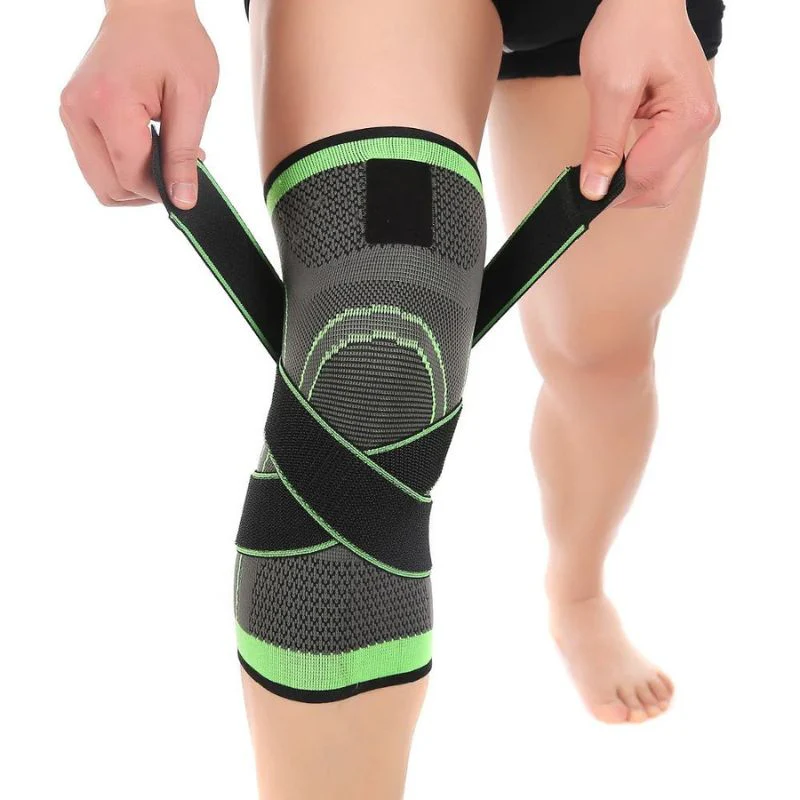
Pain, whether occasional or chronic, often stems from inflammation, poor circulation, or joint instability. It can build up gradually through daily strain or appear suddenly due to injury. While medication and therapy certainly play an important role in recovery, one of the most overlooked yet highly effective solutions is compression technology. Widely used across orthopaedic supports, compression-based products are designed to improve blood flow, reduce swelling, and provide targeted support to affected areas, making them a practical addition to everyday pain management.
Understanding Compression Technology
Compression works by applying controlled, consistent pressure to specific parts of the body. This gentle pressure helps improve circulation, allowing oxygen-rich blood to reach muscles and joints more efficiently. As circulation improves, the delivery of nutrients increases while waste products like lactic acid are removed more effectively. As a result, inflammation is reduced, and the body’s natural healing process becomes more efficient.
From knee support and knee braces to lumbar belts and diabetic socks, compression is a core feature that enhances both comfort and recovery. It’s not just about restricting movement; it’s about guiding the body toward better performance and resilience under stress.
How Compression Reduces Pain
One of the primary benefits of compression is its ability to minimize swelling. When tissues are inflamed, fluid tends to accumulate in the affected area, leading to stiffness, discomfort, and restricted movement. Compression helps regulate this fluid buildup by promoting proper circulation, which in turn reduces pressure on nerves and surrounding tissues.
Additionally, compression stabilizes joints and muscles, providing a sense of support that can prevent further strain. For individuals dealing with knee pain, using knee braces can limit unnecessary or harmful movement while maintaining proper alignment. This stability significantly reduces strain during daily activities such as walking, climbing stairs, or standing for extended periods.
Improving Circulation for Faster Recovery
Better blood flow directly contributes to faster recovery. Compression products, especially compression socks for diabetes, are specifically designed to enhance circulation improvement in the lower limbs. This is particularly beneficial for individuals who experience numbness, swelling, or fatigue in their legs after long hours of inactivity or standing.
For those managing diabetes, maintaining proper circulation is essential to prevent complications related to poor blood flow. This is where diabetic socks become an important part of daily care. Their non-restrictive design supports circulation while protecting sensitive skin, reducing the risk of irritation or injury.
Everyday Applications of Compression
Compression is not limited to clinical or medical use; it has practical applications in everyday life. People with sedentary jobs, frequent travelers, fitness enthusiasts, and even older adults can benefit from compression-based supports in maintaining comfort and mobility.
For instance, someone who spends long hours sitting at a desk may experience stiffness in their knees and lower back. Using a combination of knee support and lumbar support can help maintain posture, improve circulation, and reduce discomfort throughout the day. Similarly, athletes often rely on compression gear to enhance performance and speed up post-workout recovery.
Individuals with limited mobility can also benefit from combining compression products with mobility aids, as this combination helps reduce strain while improving overall movement and independence.
Conclusion
Compression technology is a simple yet powerful tool in managing pain and improving mobility. By enhancing circulation, reducing swelling, and providing structural support, it addresses the root causes of discomfort rather than simply masking symptoms.
Vissco Next offers a wide range of compression-based orthopaedic supports designed to deliver effective pain relief while supporting long-term recovery and everyday comfort; helping you stay active, supported, and pain-free in your daily life.